

For decades, the standard answer to a missing tooth carried a built-in delay. Place the implant, then wait three to six months for the bone to integrate before the final restoration goes on. In between, patients wore a temporary or simply went without.
That waiting period shaped how people thought about their choices. The trade-off was always function now versus a better outcome later, and the gap between the two was measured in seasons.
The newer wave of implant dentistry has compressed that gap, and in doing so it has quietly rewritten the decision patients are actually making.
From Months of Waiting to Teeth in a Single Visit
The technical name is immediate loading. The idea is that with sufficient initial stability in the implant and careful planning, a provisional set of fixed teeth can be attached the same day the implants are placed.
This is not a cosmetic shortcut. The provisional is designed to avoid excessive force on the healing implants while still letting a person leave the office able to smile, speak, and eat in a limited way.
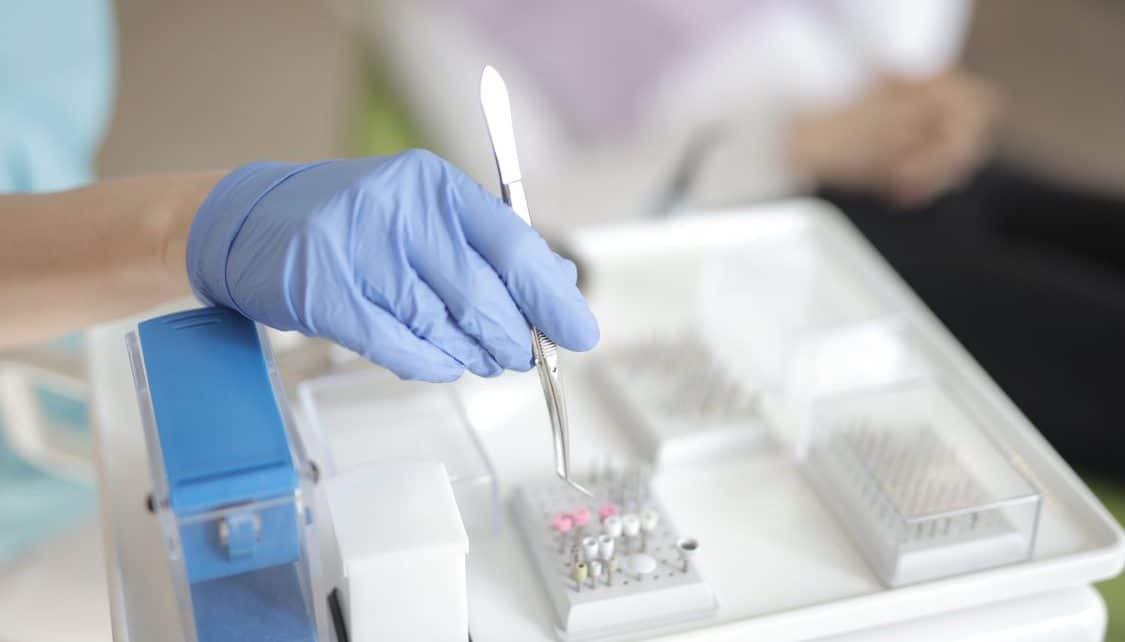
What makes it possible is a stack of digital tools working together. Cone-beam scans map the jaw, nerve pathways, and bone density in three dimensions before anyone touches a drill. Intraoral scanners replace putty impressions. Design-and-mill systems can fabricate a restoration while the patient is still in the chair.
The scanner detail is easy to overlook but matters for the anxious. The old putty impressions, with their gag-inducing trays and waiting, were a small misery in their own right. Replacing them with a wand that captures a digital model removes a step many patients quietly dreaded.
Around the same time, the supporting biology has improved. Better bone-grafting materials and soft-tissue techniques help build and preserve the foundation an implant needs, which expands who can be treated predictably rather than turned away.
The momentum behind these tools is not anecdotal. The digital dentistry market was valued at roughly $7.2 billion in 2026 and is projected to reach $13.7 billion by 2033, a climb driven largely by the same CAD/CAM and imaging systems that make same-day restorations practical.
How Same-Day Options Reframe the Patient’s Real Question
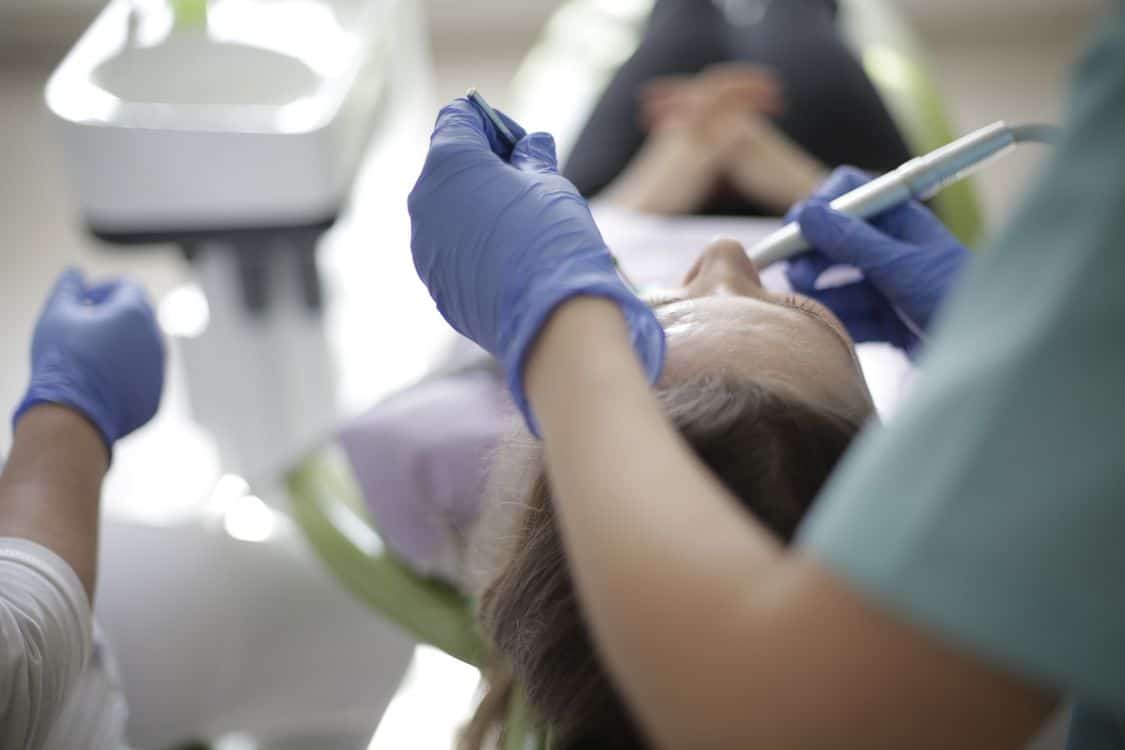
When the wait collapses, the question changes. It used to be: am I willing to spend half a year in transition for a permanent result? Now it is closer to: which path gets me a stable bite I can trust, and how quickly?
That reframing matters because it pulls more people into considering fixed solutions who would previously have defaulted to traditional dentures out of impatience or dread of the gap period.
It also sharpens the comparison between the options themselves. Same-day fixed teeth sit at one end. Snap-in dentures that clip onto implants sit in the middle, offering more stability than conventional plates while remaining removable. Traditional dentures remain the most affordable entry point.
The shrinking timeline does not make one of these universally correct. It just removes the long delay as a reason to avoid the fixed end of the spectrum.
What the Technology Does Not Change
It is worth being clear-eyed about the limits. Same-day protocols depend on a patient’s bone offering enough initial stability to anchor the provisional. Not every mouth qualifies on day one, and a candid practice will say so rather than force the timeline.
Healing still takes its own course. The provisional placed on surgery day is a bridge to the final restoration, not the final restoration itself in most cases. The biology of integration has not been hacked, only better supported.
Planning quality also matters more, not less, as speed increases. Guided surgery built on accurate scans is what keeps a faster procedure from becoming a riskier one.
The precision involved is easy to underestimate. Cone-beam imaging lets a clinician plan placement to within millimeters, charting around nerve pathways and into the densest available bone before the surgery begins. Speed without that planning would be reckless. Speed built on it is simply efficiency.
For patients who lack the bone density for conventional same-day placement, the menu has widened in other directions too. Smaller-diameter implants can sometimes be placed with less surgery and serve patients who would not qualify for the standard approach, broadening who can be helped at all.
The right way to use this information is as a set of questions rather than a sales pitch. Does the practice actually own the imaging and fabrication capacity, or does it outsource and reintroduce the delay? Does the clinician do this work routinely, or occasionally?
For patients weighing implant treatment options around Kyle and the surrounding I-35 communities, the honest summary is that the menu has not shrunk, but the cost of choosing the more permanent option has. The half-year of limbo that used to push people toward removable plates is no longer the obstacle it once was.
The smart move is to treat same-day capability as one input among several. Ask whether a practice has the imaging and on-site lab to actually deliver it, ask whether your specific bone supports it, and let the answer inform the choice rather than dictate it.
The larger shift worth appreciating is that the timeline, once the dominant variable in this decision, has moved toward the bottom of the list. What rises in its place are the questions that always mattered most: the quality of the planning, the stability of the foundation, and the honesty of the clinician about what your particular mouth can support.