

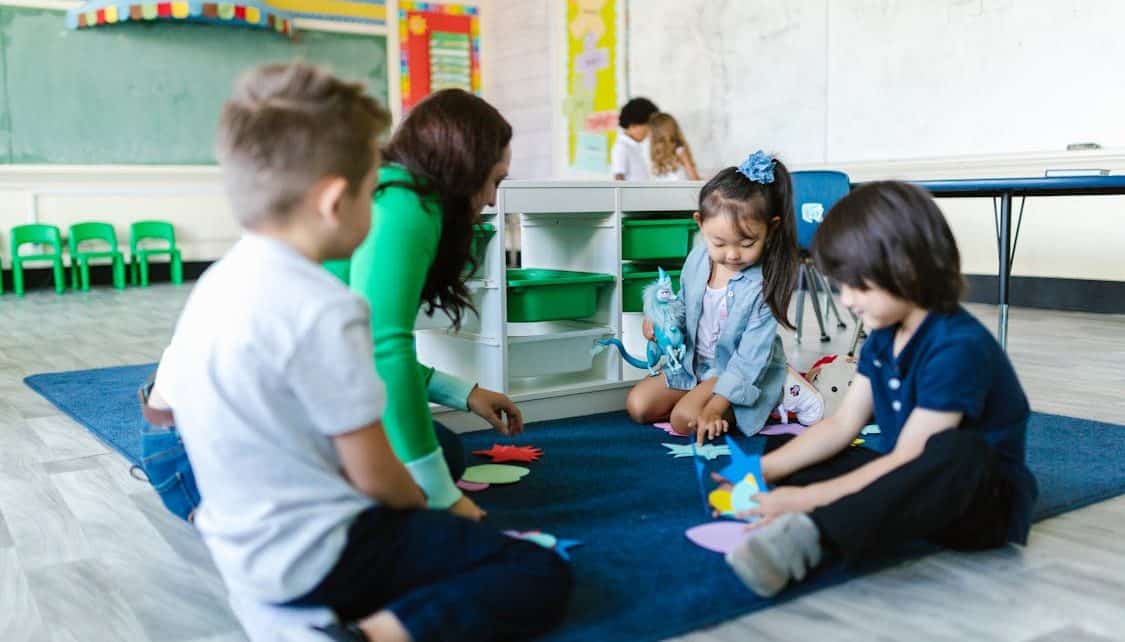
A good child care centre can play a major part in the early years when little minds and bodies are expanding fast. Parents often feel torn between time and attention at home and the benefits that a structured setting can provide for social learning, routine and play based discovery.
Children pick up language, habits and tiny rules of the world in ways that build on what is learned at home while offering new situations and steady adult guidance.
The weeks and months spent in a quality centre add up to meaningful change that shows in how a child talks, moves, plays and relates to others.
1. Social And Communication Skills
Groups of children create a natural lab for social experiments where sharing, waiting a turn and asking for help become everyday tasks that teach more than words can say.
In a child care centre, children meet peers from different backgrounds and personalities which helps them learn to read faces, take cues and pick up conversational rhythms that make later friendships easier.
Staff model polite speech and gentle correction so that a child starts to replace tantrums with requests and gestures with words, moving from single words to short sentences as tasks and games require.
Little wins, such as successfully asking for a toy or saying sorry, build confidence and make social interaction feel like a normal part of the day.
Teachers and assistants guide role play that encourages narrative speech and problem solving through pretend games, puppet shows and group songs that get everyone talking.
These shared activities provide safe openings for a shy child to break the ice and for an outgoing child to learn how to include others, both of which matter when they later meet new classmates at school.
Regular routines such as circle time, storytelling and snack conversations give many small chances to practice listening and responding so that language grows in context not in isolation.
Over time children show more complex speech, better eye contact and an easier time expressing needs without frustration.
2. Cognitive And Language Development
Planned activities in a child care centre give children a scaffolded path to explore ideas like counting, sorting and early letter sounds that set a firm base for school learning.
Kids Retreat integrates playful learning with structured guidance, ensuring children enjoy discovering while building essential skills.
Educators use repetition, varied materials and playful challenges so that a concept moves from being unfamiliar to familiar, and then to routine, which helps memory stick.
When small experiments are built into day to day play, curiosity gets rewarded with discovery and a child learns the pleasure of finding out how things work rather than simply following instructions.
That curiosity often becomes a lasting trait that supports reading, math and science skills later on.
Language growth gets a particular boost because many interactions occur with peers who are at slightly different stages of speech, producing a natural environment for imitation and growth.
Adults at the centre expand a child’s sentences by adding words and ideas in real time, which stretches vocabulary and grammar without feeling like formal drilling.
Songs and rhymes also play a role by highlighting sounds and patterns, making phonics learning feel like play rather than work. Little by little a child’s ability to follow multi step directions improves and storytelling skills begin to take shape.
3. Physical Health And Motor Skills
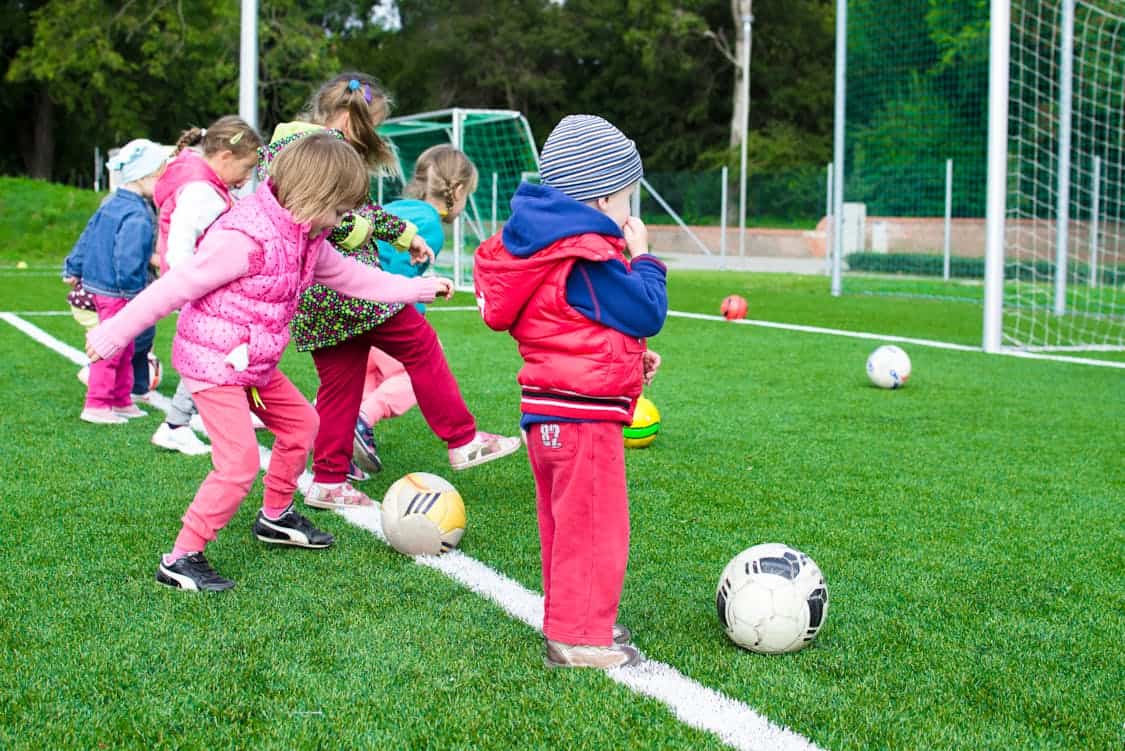
Active play at a child care centre gives children space and time to run, jump, climb and balance in ways that are hard to replicate at home, especially in tight urban settings. Such movement practices are repeated often, which builds coordination and strength through natural play that feels fun not forced.
Fine motor skills get attention too as children handle crayons, build with blocks and learn to use child sized tools so that hand strength and finger control improve alongside cognitive planning.
Outdoor time and group games teach pacing and stamina so that a child can handle longer stretches of activity without becoming overwhelmed.
Nutrition and rest practices at a centre also support steady physical growth by providing meals or snacks that match age appropriate guidelines and by enforcing rest periods that let a young body recover.
Staff watch for signs of health issues, follow hygiene routines and gently guide children toward habits such as hand washing and covering coughs which cut down on illness spread.
Regular health checks and conversations with parents make it easier to spot patterns such as picky eating or sleep trouble and to adjust approaches accordingly. Over weeks and months these steady supports help a child grow stronger, sleep better and arrive at school with energy for learning.
4. Emotional Security And Self Regulation
A predictable routine helped by caring adults gives young children a sense of safety that calms stress and makes learning easier across the board.
When a child knows what to expect, transitions such as arriving, switching activities and saying goodbye at pickup lose much of their sting and become manageable routines.
Educators name feelings, offer simple coping tools like breathing or quiet corners and guide children through upsetting moments so that the child learns to label emotion and select a calm response.
Those practices build a thicker emotional vocabulary and new habits that reduce tantrums and increase cooperation.
Consistent responses from staff also teach cause and effect in the social world so a child learns that certain behaviours lead to predictable outcomes, such as time with a favourite activity after completing a task.
That predictability trains impulse control slowly and realistically, one step at a time, so that self regulation becomes a habit rather than a sermon.
Group rules and small responsibilities like wiping a table or caring for a plant give a child chances to try out trust and responsibility without big stakes.
Over time the young child gains both reassurance and a sense of agency, which shows in calmer reactions and more thoughtful choices.
5. Routine, Independence And School Readiness
Daily rhythms in a centre teach time keeping in a child sized way with clear markers for meals, play, rest and tidy up times that make sequences feel logical.
Children learn to manage basic personal tasks such as dressing, hand washing and putting away toys with gentle coaching which feeds a growing sense that they can do things without constant help.
Practice with group transitions and classroom norms prepares a child for the demands of school where listening, waiting and following a teacher are part of every day. The result is a child who walks into a classroom with fewer surprises and a better idea of what school life will ask for.
Independence is built from many small challenges that a child meets and solves under adult supervision, which is different from leaving a child entirely to their own devices. Staff set achievable goals and celebrate success so that trying new things becomes less scary and more normal.
Tasks are repeated until a child gains fluency so that personal care routines do not require fresh instruction each morning at the school gate.
Little acts of competence add up, and they give parents the pleasant payoff of seeing a child learn the ropes and step forward with more confidence on a regular basis.