

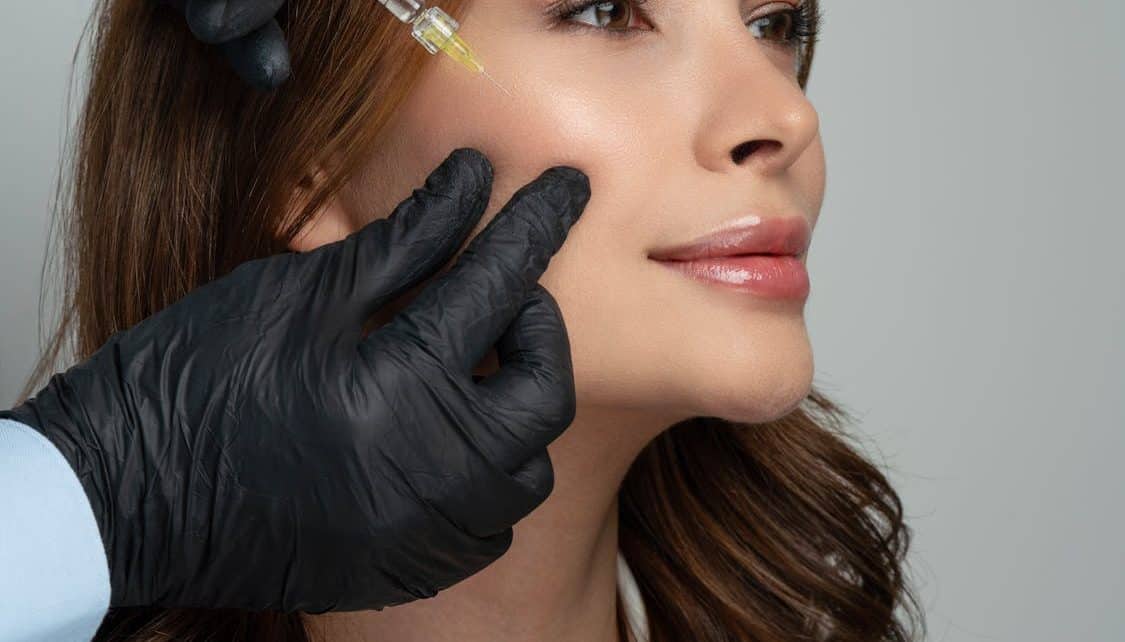
The aesthetic injectable market across Ontario has undergone a dramatic philosophical shift between late 2024 and mid-2026, moving away from dramatic volume correction toward subtle, maintenance-focused treatments that patients receive more frequently in smaller doses. The change reflects evolving patient preferences, improved practitioner training, and mounting evidence that strategic micro-dosing produces more natural results with fewer complications than the high-volume approach that dominated the previous decade.
The “liquid facelift” concept that drove injectable marketing from roughly 2015-2024 promised facial rejuvenation equivalent to surgical procedures using only dermal fillers and neuromodulators. That approach typically involved injecting multiple syringes of filler across several facial zones in single sessions, creating immediate dramatic results but also increasing complication risks and producing an overdone appearance that became culturally associated with injectables. Patient dissatisfaction with that aesthetic is now driving demand for subtler approaches.
The trend in 2026, according to reporting from The Spiegel Center, is less product and better placement. Botox, dermal fillers, and treatments like masseter Botox are being used more strategically to soften, balance, and refine rather than freeze. For patients seeking botox injections London Ontario, this means consultations now focus on preventative maintenance and targeted refinement rather than comprehensive facial transformation.
The micro-dosing approach typically involves smaller units of neuromodulator applied to specific muscles with the goal of subtle softening rather than complete paralysis. A patient who might have received 50 units of Botox in a single session three years ago might now receive 20-25 units every 8-10 weeks, maintaining continuous subtle improvement rather than cycling between frozen and fully mobile states. That maintenance model changes the economics and relationship dynamics of injectable treatments.
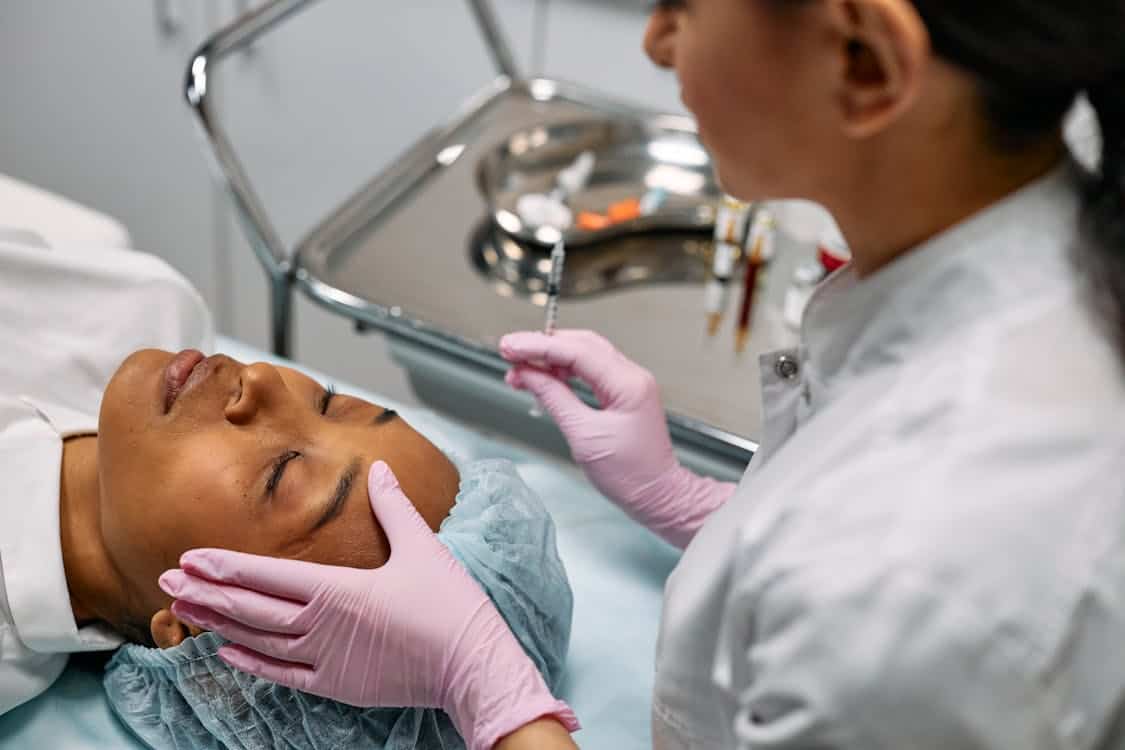
Practitioner training has evolved to support this strategic approach. Master injectors are increasingly positioning themselves as experts in facial anatomy who customize treatment plans based on individual muscle patterns, aging progression, and aesthetic goals rather than following standardized injection protocols. That individualization requires more sophisticated assessment skills and creates clearer differentiation between experienced providers and less-trained competitors.
The shift is also being driven by accumulating evidence about filler migration and long-term tissue effects. Large volumes of filler placed deeply can migrate from intended locations, creating lumps, asymmetry, or unnatural fullness that requires dissolution and correction. Smaller volumes placed more superficially reduce migration risk but require more frequent touch-ups to maintain results. The tradeoff between durability and natural appearance is now explicitly discussed in consultations rather than buried in fine print.
Economic factors are pushing the trend as well. Multiple smaller treatment sessions generate higher lifetime revenue for practices than infrequent large-volume treatments, creating business incentives that align with medical best practices. For patients, the smaller per-visit cost makes treatments more accessible and allows budget spreading over time rather than requiring large upfront investments. The subscription-like relationship model works better for both parties than episodic high-dollar transactions.
Social media’s role in this shift can’t be overstated. The “Instagram face” aesthetic that dominated the late 2010s generated widespread backlash as more people recognized the overdone look and rejected it. Influencers and celebrities who previously promoted heavy filler use are now showcasing dissolutions and pivoting to “natural aging” narratives. That cultural shift is filtering down to mainstream consumers who want to look refreshed without looking obviously treated.
The regulatory environment is also tightening around who can perform injectable treatments and under what supervision. While Ontario allows nurses and other medical professionals to inject under physician oversight, scrutiny of training requirements and medical direction is increasing. Practices that operate with minimal physician involvement are facing more regulatory pressure, which benefits established medical practices but reduces access to lower-cost alternative providers.
Patient education has improved dramatically, with more people understanding that injectables are medical procedures with real risks rather than purely cosmetic services equivalent to haircuts or manicures. That awareness is driving more selective provider choice based on credentials and experience rather than price or convenience. The bargain-hunting mentality that characterized earlier injectable adoption is giving way to quality-focused decision-making.
Looking ahead, the micro-dosing trend is likely to continue dominating the Ontario injectable market as both practitioners and patients recognize its advantages over high-volume approaches. The subscription-like relationship model creates practice stability while delivering better patient outcomes and satisfaction.
For the aesthetic medicine industry, this shift represents a maturation from early adoption chaos toward evidence-based best practices that prioritize safety and natural results over dramatic transformation. The market correction was overdue, and the rapid speed of the transition — 18 months from mainstream liquid facelifts to widespread micro-dosing — reflects how quickly informed consumers can reshape industry standards when given better options.