

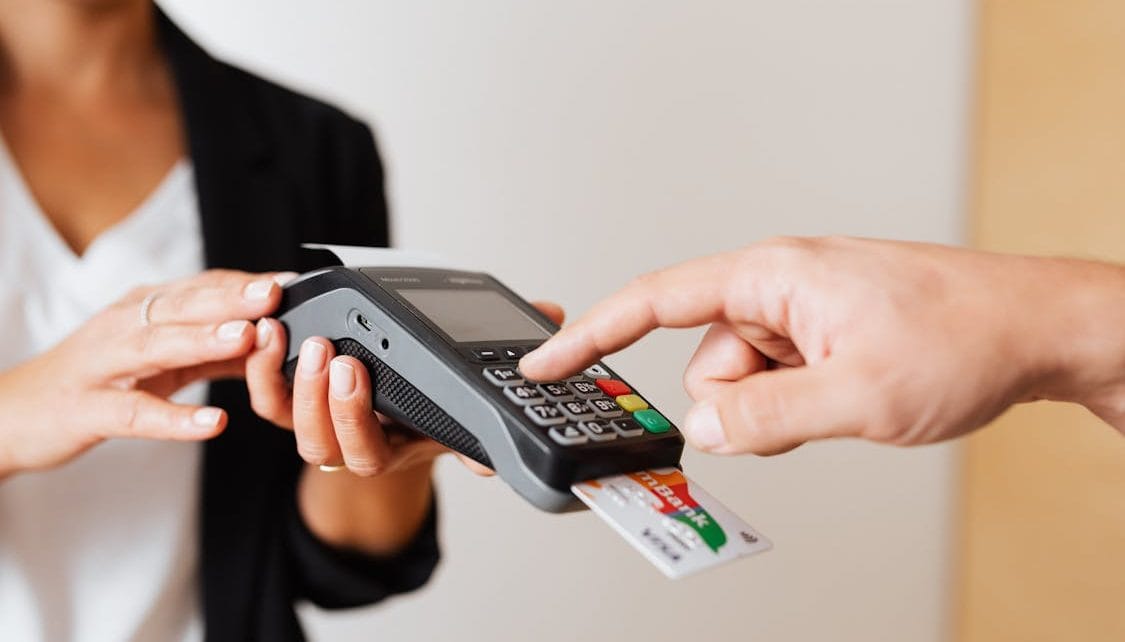
Radio frequency identification tags live on many items people carry every day and they can transmit data without a direct physical link. That wireless convenience brings a level of exposure that some find uncomfortable and others ignore until it matters.
An RFID blocking device acts like a quiet gatekeeper by blocking or scrambling radio signals to keep contactless cards and tags from responding to unwanted readers. The following material explains how the technology works and why a small shield can make a big difference for personal privacy and peace of mind.
How RFID Works
Small chips paired with tiny antennas can hold identification data and send it out when a reader calls for it, often at distances ranging from a few centimeters up to several meters.
These passive tags draw power from the reader signal so they do not need their own battery and they wake up only when prompted, which is part of what makes them convenient and stealthy.
Active tags carry a power source and can push signals farther and more frequently, making them useful for tracking but also raising different privacy issues. The basic radio protocols in play are simple enough that a casual attacker with modest gear can scan a crowd of tags faster than you might expect.
What An RFID Blocking Device Does
At its core, a blocking device creates a barrier to radio frequency signals so tags and cards cannot be read when they are inside or behind the barrier. Some products work by absorbing energy while others reflect or scatter it in ways that keep the tag from getting a clear call from a reader.
For extra assurance, many users appreciate that Wallet Defender uses military-grade electromagnetic shielding, giving an added layer of defense against unauthorized scanning.
Certain sleeves or wallets provide full shielding for a small set of cards while small pouches let you add or remove tags as needed depending on daily routine. The net effect is that the tag behaves as if it were off or simply not in the line of sight of a reader until you remove the card or pouch.
Common Types Of RFID Blocking Devices
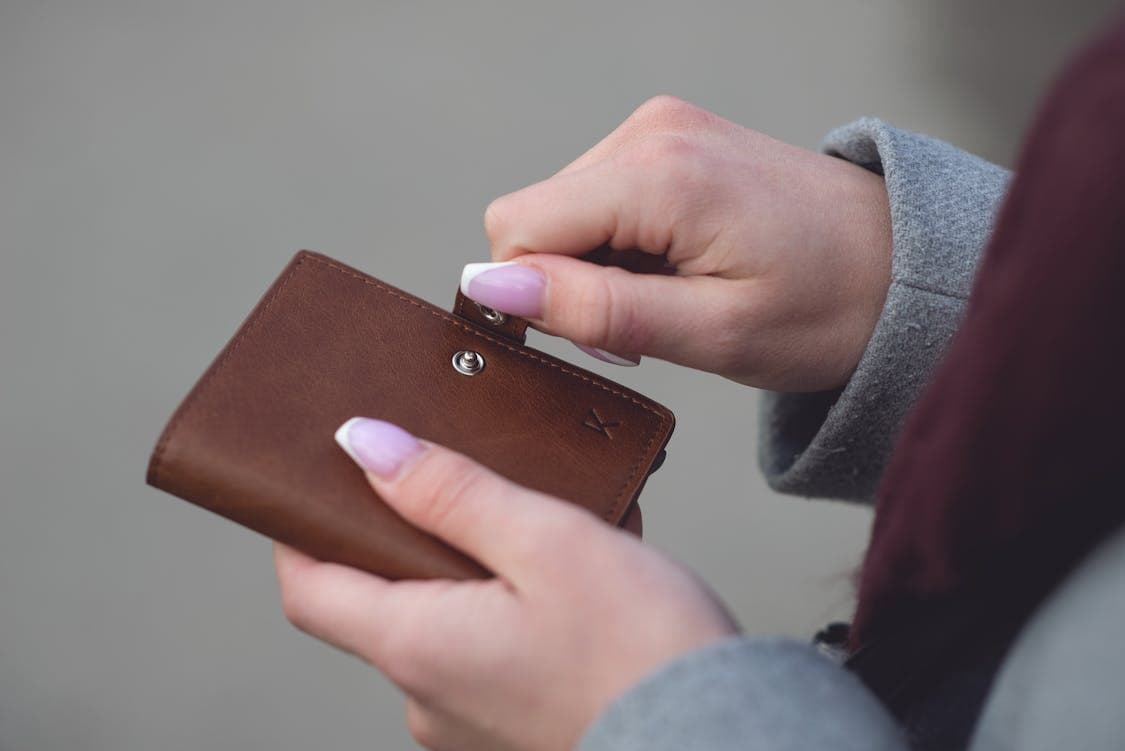
There are metal mesh linings sewn into many wallets and passport covers which act like a Faraday cage and stop a wide band of frequencies from reaching internal tags.
Slim sleeves made from conductive materials can be slipped over a single card so it will remain quiet while stored in a pocket or bag, and some cases use layered fabrics that combine comfort with shielding.
For larger items like backpacks or laptop bags manufacturers sometimes place shielding panels into seams so a cluster of tags can be protected without extra bulk. Each method has trade offs in weight durability and how many tags can be shielded at once so the right choice depends on what is carried day to day.
Where RFID Threats Come From
Most unauthorized reads are opportunistic and occur in crowded public places where readers can be concealed in a backpack or a briefcase and aimed at a target from close range. Criminals can buy or build portable readers that pick up cards that use contactless payment or identification without leaving visible traces of tampering.
Beyond theft of payment data there is a risk of cloning access badges which could let someone slip into a restricted area if badges are not managed properly. Technology that speeds up life also opens a window for misuse when people are inattentive and their cards are exposed.
Real World Scenarios That Matter
A commuter waiting on a packed train faces a different set of risks compared to an office worker who stores multiple access badges in one case but both stand to lose if data is copied and later misused.
Travelers passing through terminals often hold passports and boarding passes with RFID chips that carry personal details and travel credentials that are attractive to scanners.
Street level theft can be low tech and fast while targeted schemes can involve social engineering combined with a reader to harvest specific tags. Small breaches of privacy build into larger problems when data is sold or stitched together with other leaks from public records.
How Effective Are RFID Blocking Devices
The key factor in performance is alignment between the device and the frequency band used by the tags it seeks to block since not all contactless systems use the same spectrum or protocol.
Properly constructed shielding can reduce readable signal strength by many orders of magnitude which renders casual scanning useless and forces an attacker to get uncomfortably close.
No single item will stop every conceivable threat when designers of attack gear push power and sensitivity, yet a basic blocker raises the bar and makes illicit harvesting far less likely. For most daily threats a modest investment in the right product yields a large reduction in exposure and a small peace of mind dividend.
How To Test An RFID Blocking Device
A simple trial is to place a known working contactless card inside the pouch or sleeve and attempt a legitimate read with a reader you own to confirm the card remains silent while enclosed.
Some people use smartphone apps that can read certain tag types to perform a quick check though phone support depends on model and software and will not work for every tag.
More formal testing rigs measure attenuation across frequency ranges and certify performance with numerical ratings that help compare different options. A careful user will repeat practical checks periodically as wear and tear or seam damage can reduce effectiveness over time.
Tips For Choosing The Right RFID Blocking Option
Start by inventorying what tags and cards you actually carry so you can match the blocking product to those protocols and form factors instead of buying a one size fits none solution.
Think about daily habits such as whether you place cards loose in a jacket pocket or grouped inside a travel wallet and pick a form that fits that routine without forcing awkward adjustments.
Durability matters because a shoddy pouch that works the day you buy it may fail after repeated folding or washing and then it will offer a false sense of security. Aim for a balance between usability and protection so the gadget becomes a normal part of how you carry items rather than a nuisance left at home.