


Stress touches nearly everyone at some point and it can show up as tight muscles, foggy thinking, or restless nights. Gentle natural approaches provide safe ways to ease tension and support a calmer nervous system.
The ideas below draw on time tested herbs, breath patterns, movement, scent and sleep routines to offer practical tools anyone can try. Each method can be adapted to fit simple daily habits without a steep learning curve.
1. Herbal Teas And Tinctures
A warm cup of herbal tea can act like a soft landing after a busy day by soothing nerves and inviting a slower pace. Chamomile, lemon balm and lavender are classic choices that have been used in many cultures to ease tension and promote softer sleep cycles.
Tinctures offer a concentrated option for those who want smaller servings that still deliver herbal benefits in a compact form. Start with a low dose and keep a simple journal to note how your body responds over several evenings.
Plants work through mild biochemical pathways that help the body switch from fight or flight toward rest and digestion. When herbs are combined with ritual such as dimming lights or turning off screens, the whole effect often becomes greater than the sum of its parts.
As individuals experiment with different calming options, it is common to hear practical questions like can edibles make you constipated, which highlights why paying attention to digestion and overall comfort matters when choosing any stress aid.
Herbal support is not a quick fix for extreme stress but it can take the edge off when used regularly. If you take other medications it is wise to ask a clinician about interactions before starting new plant based remedies.
2. Breathwork For Immediate Calm
Intentional breathing is a direct line to the autonomic nervous system and can shift heart rate and alertness within minutes. Try a slow rhythm that lengthens the exhale relative to the inhale and you will often feel tension ease and thoughts slow down.
For people who feel overwhelmed, a brief burst of focused breathwork can act like hitting the reset button in the middle of a busy day. Practice twice daily for a few minutes to build a reliable habit you can call on when things heat up.
Breath techniques are portable and free and they build resilience over time through repetition and gentle exposure to mild discomfort. Many teachers suggest counting or using a soft vowel sound to anchor attention while the breath settles.
That small amount of structure makes the technique stick and keeps the mind from wandering into a catalog of worries. Over weeks those brief pauses add up and help keep stress from snowballing when pressures increase.
3. Mindful Movement And Gentle Exercise
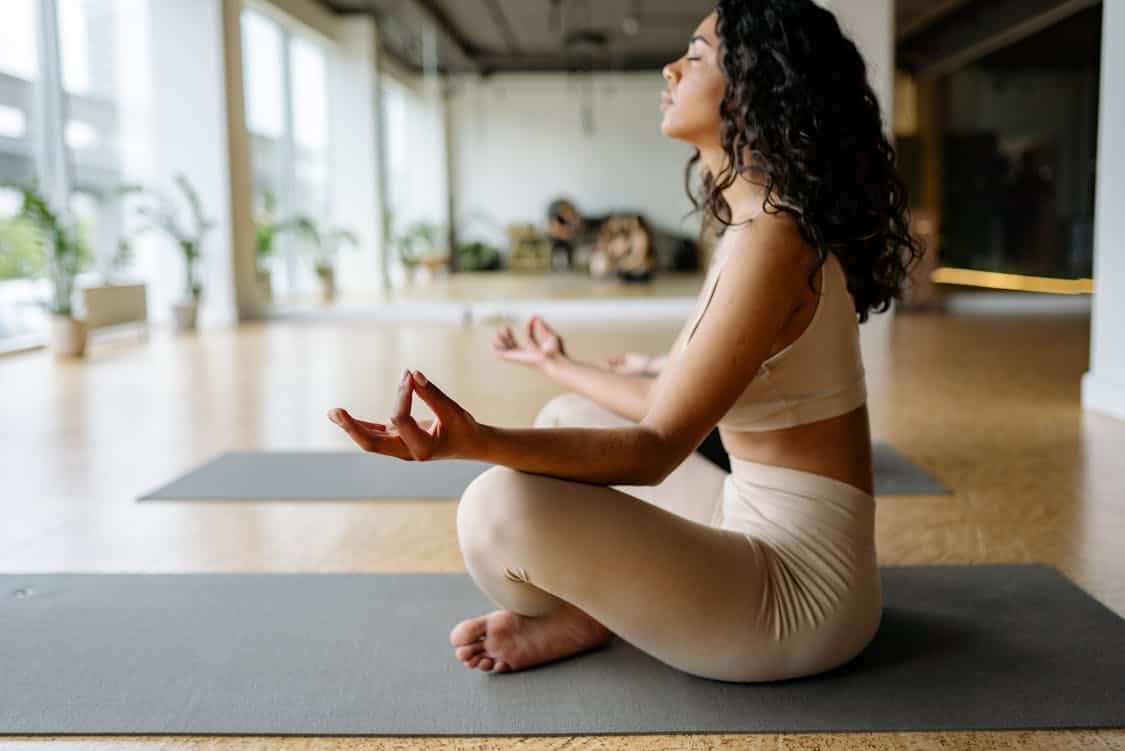
Movement that blends attention with motion helps remove physical tension and trains the nervous system to shift more easily from stress to calm. Practices like slow yoga flows, a short tai chi routine or mindful walking encourage steady breathing and a grounded posture that signals safety to the body.
The goal is not to push hard but to move with awareness so each stretch or step doubles as a stress release. Set aside short blocks of time after work or before bed to make movement a predictable part of the day.
Physical activity also clears mental clutter and feeds the brain with feel good chemicals that lift mood and sharpen focus. A few minutes of gentle exertion can change the tone of an entire afternoon by replacing rumination with present moment focus.
Keep the sessions short enough that they feel doable and easy to repeat so momentum grows without pressure. Over time steady practice builds stamina and a calmer baseline in everyday life.
4. Aromatherapy With Essential Oils
Scent reaches the brain in a direct and immediate way and it can nudge emotional states with surprising subtlety. Lavender oil is soothing for many people while citrus scents such as sweet orange can brighten mood and reduce feelings of heaviness.
Use a diffuser in the evening, a single drop on a tissue to carry with you or a small bowl of warm water and a few drops placed nearby during a restful bath. Scent works best when it becomes part of a gentle ritual that signals the body to unwind.
Essential oils must be handled with care because they are highly concentrated and strong. Always dilute topically when applying to skin and test a small patch first to check for sensitivity.
Choose high quality single source oils when possible and avoid inhaling directly from the bottle for long stretches. When used wisely, aromatherapy offers a low effort way to brighten a corner of the day and soften the edges of stress.
5. Sleep And Restorative Rituals
A reliable sleep routine is one of the most potent natural medicines for sustained stress relief and clearer thinking. Aim for a gentle evening routine that narrows your focus to calming activities such as light stretching, a warm cup of non caffeinated tea or a brief guided audio practice.
Keep lights low and screens out of reach for the final hour before bed so the brain receives signals that the day is winding down. Small, consistent habits stack up quickly and often lead to deeper, more restorative rest.
Creating a sleep friendly environment also means tending to timing and comfort so that falling asleep becomes simpler rather than a nightly struggle. Soft bedding, steady room temperature and a predictable wake time help the body find its rhythm without extra effort.
If restless nights persist, tracking patterns in a simple log can reveal triggers like late meals or high stimulation late in the evening. With attention paid to rhythm and atmosphere, sleep often shifts from a battleground into a place of repair and renewal.