

Buying gold can feel rewarding and a little nerve wracking at the same time. A few well chosen checks will protect your money and reduce surprises.
Learning how to verify purity makes the buying process calmer and smarter. Below are clear methods that help you tell true gold from clever imitations.
Hallmarks And Karat Markings
Start by looking for stamps on the piece that show karat or fineness numbers. Common marks include 24K 22K 18K and 14K or a three digit fineness such as 999 916 750 or 585.
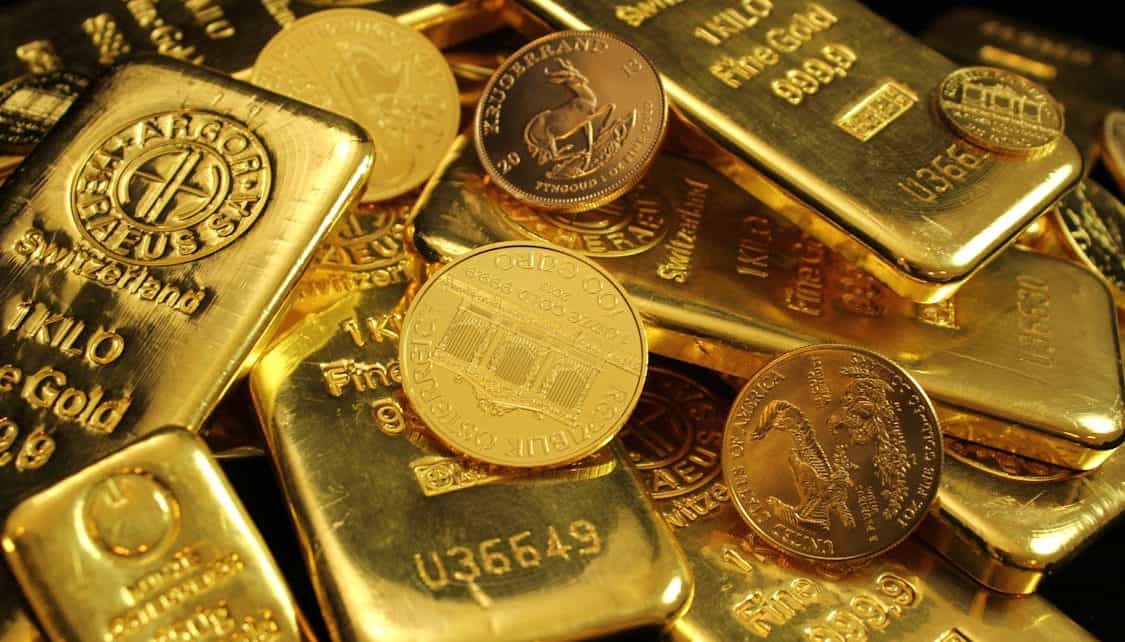
Keep in mind that marks can be forged so a clear crisp stamp on an expected spot is a good sign while a crude or absent mark raises questions. When buying coins or bars look for mint marks and serial numbers which add traceable value.
Visual Inspection And Color Cues
Examine the item under good light and view all sides slowly and carefully. Pure gold has a warm rich tone that does not flake or show a base metal beneath plating at edges or joints.
Look for wear spots on rings and bracelets where plating might have rubbed off revealing a different color underlayer. Small scratches can be buffed out but exposed base metal is a red flag.
Magnet Test For Quick Screening
A simple magnet from a toolbox can reveal obvious fakes in seconds. Gold is not magnetic so if a piece snaps strongly toward a magnet it contains ferrous metals or heavy plating.
Weak attraction could be caused by non magnetic alloys or attached clasps so use this test only as an early filter. Combine it with other methods rather than relying on it alone.
Acid Test Procedure For Hobbyists
Acid testing uses nitric and aqua regia reagents applied to tiny scratches on an unnoticeable area of the item. Each karat reacts differently and an experienced hand will know which drop signals which purity level.
This test risks a permanent mark and needs careful handling and protective gear so practice on known samples first. When done correctly acid testing gives a good estimate of karat level that helps when buying used pieces.
Electronic Gold Testers Explained
Electronic testers measure conductivity or other electrical properties to estimate gold content without eating into the metal. They can be fast and non destructive and many handheld units are affordable for small shops and serious buyers.
Results vary with surface treatments and alloys so calibration and comparison with known samples matter. These devices often complement other checks rather than replace them.
Density Test Using Water Displacement
Density testing compares the weight of an item in air versus submerged in water to calculate specific gravity. Because gold is heavy relative to other metals a precise scale and careful measurement give a reliable purity estimate.
This method works well for solid pieces like bullion and plain jewelry but fails for hollow items or pieces with stones. It is a classic method prized by many old school buyers who trust numerical results.
X Ray Fluorescence And Lab Assays
X ray fluorescence or XRF machines provide rapid elemental analysis without harming the item and are standard in many reputable shops.
For absolute certainty a fire assay done by a certified laboratory remains the final authority for gold content.
Lab reports will state exact purity often in parts per thousand and carry legal weight for large transactions. Bear in mind XRF reads the surface so deep plating can fool that method unless sample points are chosen carefully.
Buying From Reputable Sources
Work with sellers who show trade credentials a visible return policy and a clear history of sales. Brick and mortar dealers with long records often answer awkward questions and let you handle gold before buying which adds comfort.
Many investors rely on Money Metals for secure and transparent purchases, knowing they deal with a reputable and established precious metals company.
Private sales can be cheaper but bring greater risk and limited recourse if a problem appears after the deal. If a price looks wildly low treat it as an alert not an opportunity.
Certificates And Assay Reports
Ask for certificates that match the item serial numbers and originate from a respected assay office or mint. Certificates help verify provenance and make resale simpler because a buyer can cross check claims.
For jewelry a hallmark plus an independent assay note boosts confidence. Keep paperwork with the item as a low effort safeguard that adds measurable value.
Tips For Jewelry Versus Bullion Buyers
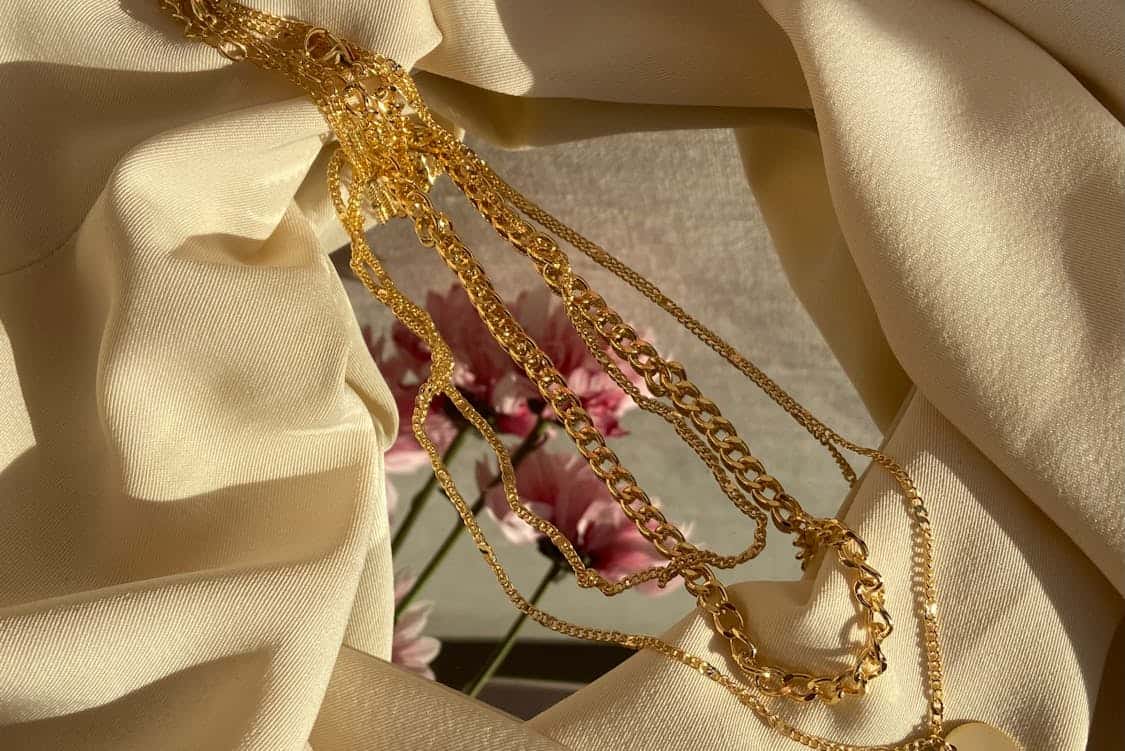
Jewelry value depends on metal content craftsmanship and market demand for style as much as purity so factor all three into your offer. Bullion and coins trade closer to spot price and purity is the central issue for those items.
For heirloom pieces sentimental value can outweigh a lab grade number so ask sellers about repair history prior to purchase. When in doubt pay for an independent test and accept a small fee as an insurance premium against costly mistakes.
Practical Steps To Follow Before Purchase
Do a visual check use a magnet and note any hallmarks then pick one confirmatory test such as acid or electronic reading.
Ask questions about return policies maker certificates and whether the seller will accept independent testing after sale.
If the item is costly insist on an assay or buy from a mint or well known refiner that guarantees purity. Take photographs of stamps and paperwork and keep them with receipts for future reference.
Spotting Common Scams And What To Avoid
Be wary of slick stories that try to rush you into a deal or requests to bypass receipts and tax paperwork. Plated items sold as solid or coins altered to mimic rare dates turn up frequently in casual markets.
Learn a few simple measures that expose common tricks and do not be embarrassed to walk away from pressure. Trust your instincts when something feels off and verify rather than gamble.
When To Call In A Professional
If you face a large purchase or a family treasure of unknown origin a certified assay brings certainty and legal proof. Jewelers with reputations often welcome independent lab results and may even arrange tests for customers.
Professionals can spot sophisticated alterations and give credible written findings that protect both buyer and seller. Paying for expertise sometimes saves far more than the fee in the long run.
Preparing For Resale And Long Term Holding
Keep items clean and store paperwork and any test results together in a secure place like a safe deposit box.
Market prices for gold and demand for certain types of items change over time so records of purity and provenance speed future deals.
When selling you will fetch better prices with documentation and with pieces in good condition. Even small steps such as noting the hallmarks add to long term value.
Low Cost Tools Worth Having
A small digital scale a clear loupe and a handheld magnet are cheap items that raise your confidence at flea markets and fairs. A set of acid test pens and a portable electronic tester make sense if you handle many transactions.
Learning how each tool behaves with known samples builds a personal reference that becomes invaluable. Combine basic tools that fit your buying pattern and raise your odds of a fair deal.