

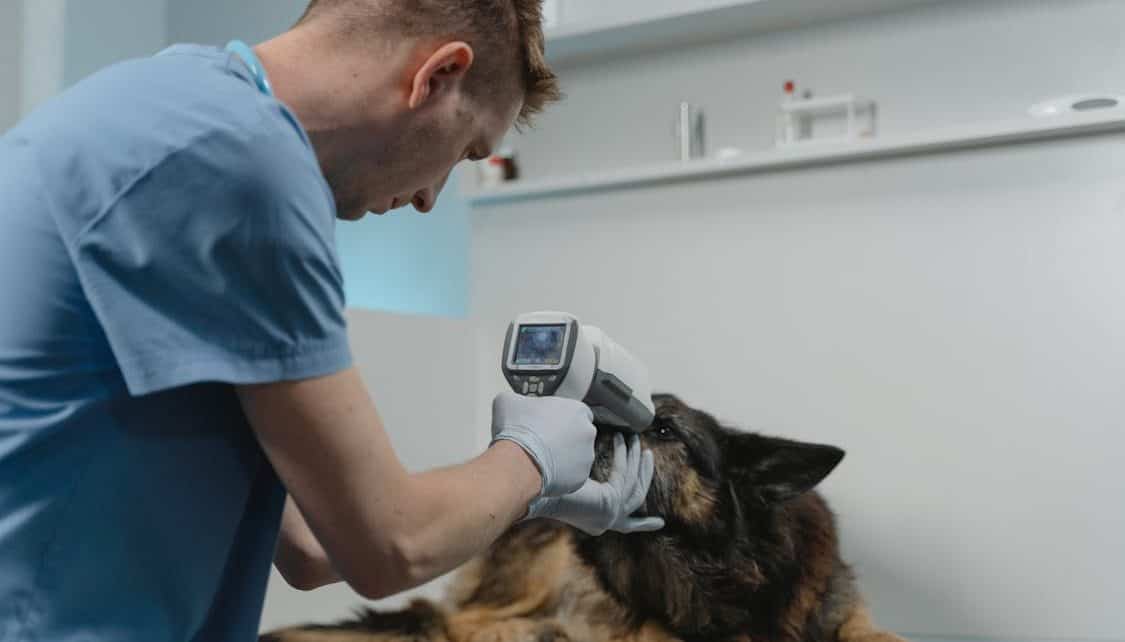
Keeping a healthy rhythm of veterinary care helps pets live longer, feel better, and dodge preventable problems. Routine visits build a record of normal—weight, teeth, coat, and behavior—so oddities stand out early.
Life stage, species, and any past medical history shape how often a companion should go in for a check.
Routine wellness for healthy adult pets
Most healthy adult dogs and cats benefit from at least one annual wellness visit to the clinic each year. During that visit a vet checks weight, heart and lungs, skin and coat, and runs basic lab work if needed to keep a baseline.
Yearly exams also refresh vaccinations and give a chance to ask about diet, exercise, and any subtle behavior shifts. Regular contact with a vet makes it easier to catch small issues before they become big problems.
Puppies and kittens: more frequent checks
Young animals need much closer attention because they grow fast and face specific risks like parasites and infectious disease. Expect visits every 3 to 4 weeks until the core vaccinations and deworming series finish, then another exam at about six months for spay or neuter planning.
These frequent touchpoints let a vet confirm growth is on track and offer guidance on training, socialization, and nutrition. Early, steady care builds a healthy foundation that pays dividends later on.
Senior pets: closer monitoring and screening
Pets enter their senior years at different ages depending on size and species, and they usually need exams twice a year once middle age passes. Older animals are prone to kidney, heart, endocrine, and joint changes that show up subtly at first, so blood and urine screens are useful more often.
Regular weight checks, mobility assessments, and oral exams help to spot creeping decline and tailor pain or dietary plans. A slightly closer watch keeps comfort high and makes interventions more effective.
Pets with chronic conditions
If a companion has diabetes, kidney disease, arthritis, or another long-term condition, follow-up visits are commonly scheduled every few weeks to a few months based on stability. These appointments let the vet tweak medication, monitor organ function, and test responses with lab work or imaging when needed.
Care plans often combine in-clinic checks with home monitoring—owners logging appetite, water intake, or mobility helps a lot. Stable chronic cases can stretch out visit intervals, while unstable periods bring them back in more often.
Vaccination and parasite control schedule
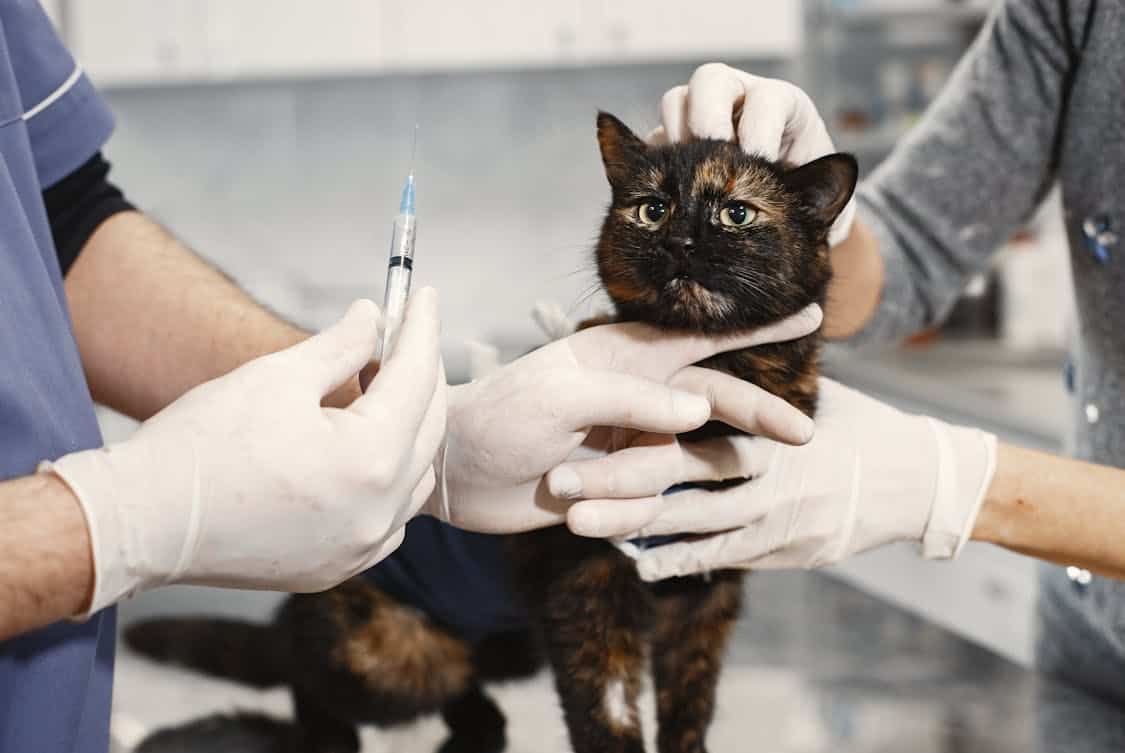
Vaccination timing varies by vaccine type, age, lifestyle, and local risk, but the general pattern starts with puppy/kitten series then settles into an annual or triennial cadence. Parasite prevention—fleas, ticks, heartworm, intestinal worms—usually follows seasonal or continuous protocols that a vet adjusts for your region and pet’s habits.
Keeping a clear schedule avoids lapses that can expose an animal to serious disease. A clinic can provide a simple calendar so those dates don’t fall through the cracks.
Dental care and oral health checks
Oral health often gets overlooked, yet dental disease can affect the whole body; vets recommend at least one mouth check per year. Some pets need professional cleanings earlier and more often if tartar and gingivitis build quickly, while others maintain clean mouths with good home brushing.
Pain from a rotten tooth or infected gums can be subtle, showing as mild appetite changes or reluctance to play with chew toys. Routine mouth exams catch problems before they spiral into systemic infections or the need for multiple extractions.
Behaviour and weight changes to watch
Shifts in appetite, activity, litter box use, or social behavior are signs worth checking sooner rather than later with a vet visit. Weight loss or gain, even a few pounds, often signals a health or dietary issue and should prompt an exam and simple lab screening.
Vets can help separate medical causes from training or environmental ones and suggest tests or behavioral plans accordingly. Quick attention to behavior and weight often keeps small glitches from becoming long-term headaches.
Emergency visits: when to act fast
Certain signs call for immediate veterinary attention: severe trauma, heavy bleeding, sudden collapse, difficulty breathing, or suspected poisoning are in the red zone. Other urgent flags include persistent vomiting, repeated diarrhea with weakness, seizures, or inability to urinate; those require swift assessment at an emergency clinic.
When in doubt, call your veterinarian’s emergency line for rapid triage—few regrets follow acting quickly. Speedy care can be the difference between a full recovery and lasting harm.
Preparing for a vet appointment
Bring a brief health log with recent changes, any medications or supplements, and a stool or urine sample if relevant; that small prep saves time and sharpens diagnostics. Write down questions beforehand so key points aren’t lost in the moment, and arrive a little early to update records or settle a nervous pet.
Honest notes about diet, exercise, and home treatments help the vet pick tests and therapies smarter, faster. A calm arrival and clear info make the visit more productive for everyone.
Cost, insurance, and budgeting for care
Routine wellness, vaccines, and parasite prevention are predictable costs that many clinics bundle into plans to spread payments across the year. Pet insurance can offset major unexpected bills, while savings set aside for routine checkups keeps care accessible and worry low.
There are now many types of veterinary plans for pets, ranging from basic to premium tiers. These are typically offered by vet clinics and provide structured access to care, especially for chronic conditions or ageing animals.
Veterinary plans for pets give owners peace of mind, knowing there’s always a professional keeping tabs on their companion’s wellbeing. Some plans even include telehealth services, which are a godsend for busy households.
Talk frankly with the clinic about priorities—what testing is essential now versus what can wait a bit—so you avoid sticker shock and stick to treatment that fits your finances. Having a simple plan makes it easier to follow recommended timing and keeps your companion on track for a long, healthy life.
Telemedicine and follow-up visits
Virtual check-ins can be handy for routine follow-ups, medication checks, and some behavioral consultations when hands-on exams aren’t required. Video visits let a vet see movement, breathing, and basic behaviors while conserving travel time and reducing stress for anxious animals.
If a virtual consult highlights worrying signs, the clinic will book an in-person exam and any needed tests; telemedicine is a triage and convenience tool, not a full substitute. Use remote options for quick questions and medication adjustments, then plan clinic visits for physical exams and diagnostics.